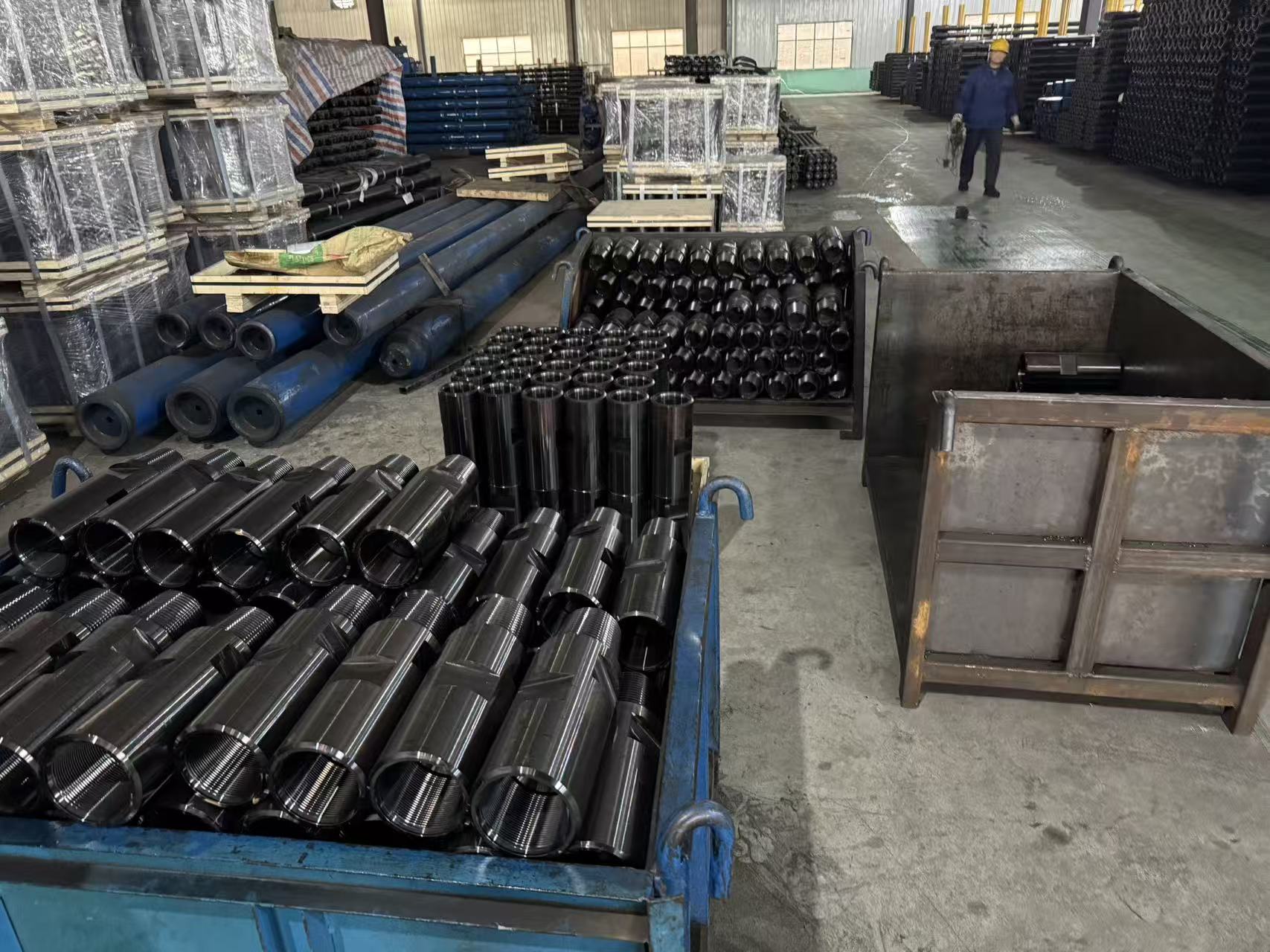
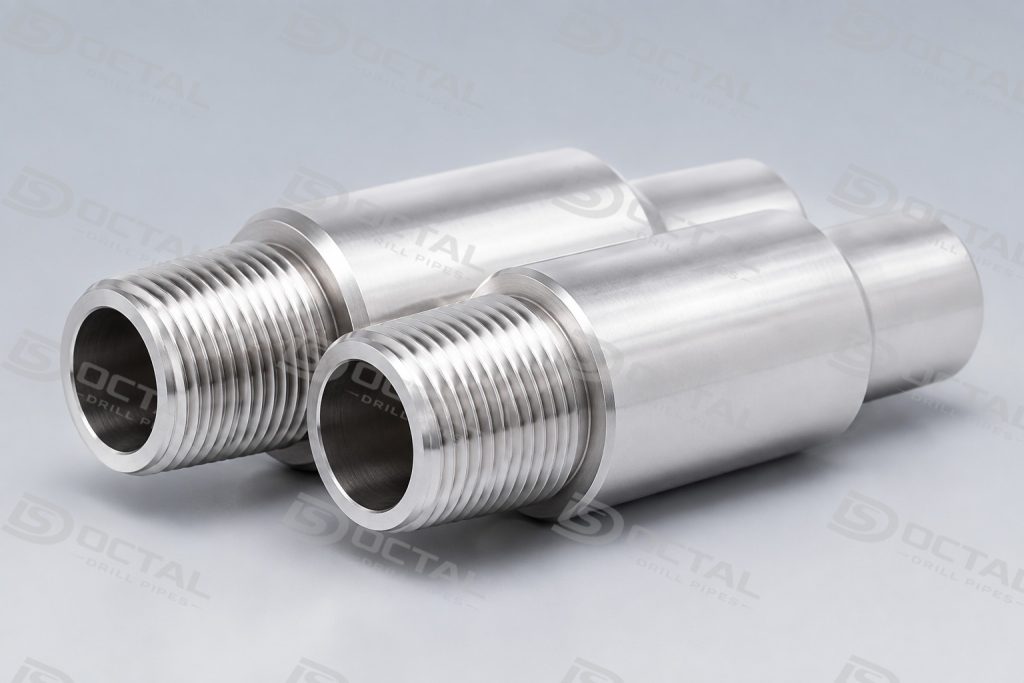
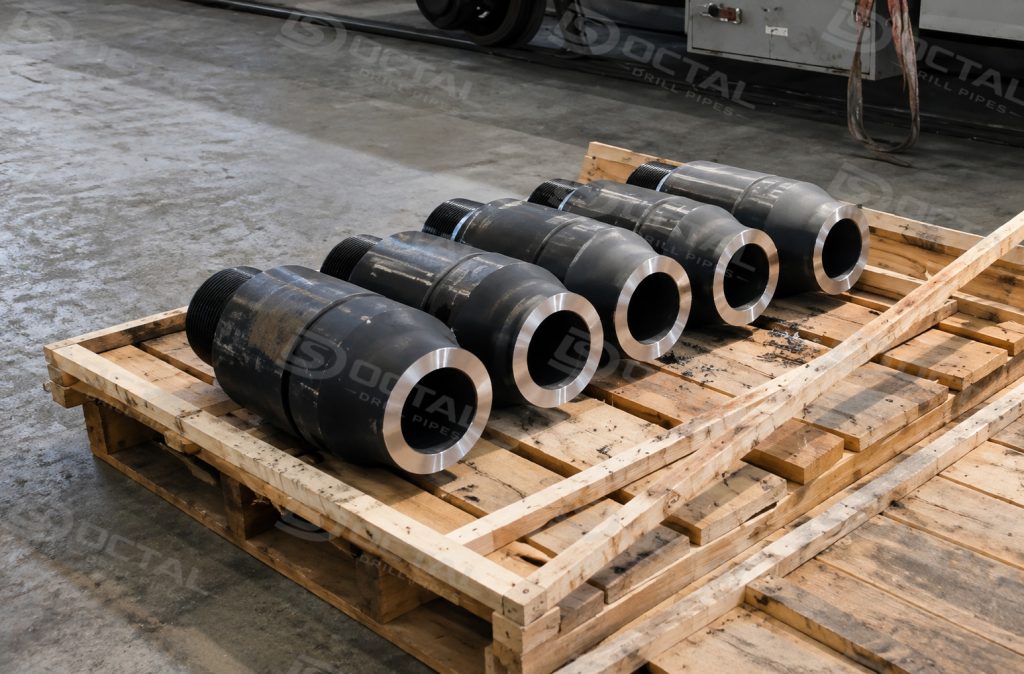
Drill String Accessories are specialized components installed as part of a drill string assembly to support drilling operations and improve overall system performance. These accessories include stabilizers, heavy weight drill pipe (HWDP), crossover subs, pup joints, bit subs, safety subs and other rotary shouldered connection components. Manufactured from high-strength alloy steels and designed with specific connection structures, these components provide functions such as drill string stabilization, connection transition, length adjustment, load transfer and tool integration during drilling operations.
During drilling operations, accessories cannot be selected only by nominal pipe size or product category. The actual drill string configuration must be evaluated to identify the required accessory position and function, followed by confirmation of connection type, material requirements and quality documentation before manufacturing or supply. This configuration-based approach helps reduce connection mismatch risks and improves reliability during field operations.
What Factors Determine Drill String Accessories Selection?
The selection of Drill String Accessories depends on installation position, connection compatibility, functional requirements, material requirements and quality documentation. These factors determine whether an accessory can be correctly integrated into the drill string assembly and verified before field use.
| Selection Factor | Engineering Consideration | Typical Verification |
|---|---|---|
| Installation position | Determines the accessory function within the drill string assembly | Assembly drawing review |
| Connection compatibility | Ensures correct connection between connected components | Thread specification and dimensional verification |
| Accessory function | Defines whether transition, adjustment, protection or tool integration is required | Configuration review |
| Material requirement | Confirms suitability for required service conditions | Material certificate and heat treatment record |
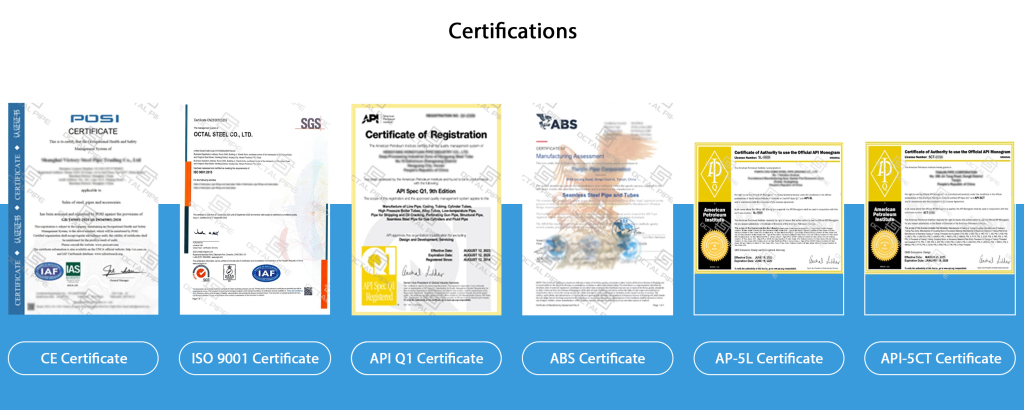
| Quality documentation | Supports traceability and acceptance | Inspection report and manufacturing record |
Among these factors, drill string configuration and connection compatibility have the greatest influence on accessory selection because they determine where an accessory is installed and how it interacts with adjacent compone
How Does Drill String Configuration Affect Accessory Selection?
The drill string configuration determines where accessories are installed and what function they need to perform within the drilling assembly. Each connection point or transition section may require a specific accessory based on the relationship between adjacent components, required spacing and operational requirements.
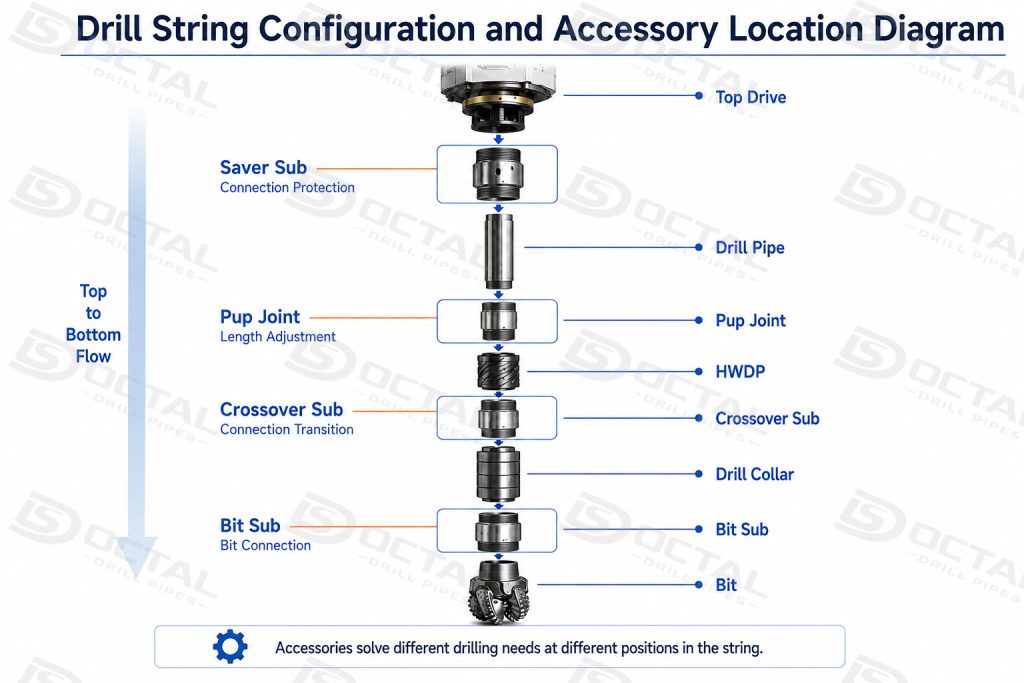
| Drill String Position | Typical Requirement | Suitable Accessory Function |
|---|---|---|
| Between components with different connection systems | Connection transition | Crossover Sub |
| Between drill string sections requiring length adjustment | Spacing adjustment | Pup Joint |
| High-frequency make-up and break-out connection area | Connection protection | Saver Sub |
| Tool connection interface | Equipment connection | Bit Sub or specialized sub |
| BHA stabilization section | Directional control support | Stabilizer |
Connection Transition Requirements
When two sections of a drill string use different connection systems, a direct connection may not be possible without a transition component. This situation commonly occurs when adjacent drilling components have different connection designs, thread systems or interface requirements.
The selection focus should be based on the compatibility between the connected components, including:
- Different thread systems between adjacent components;
- Upper and lower connection mismatch;
- Shoulder interface requirements;
- Internal bore compatibility.
A proper transition design ensures that connected components can be assembled correctly while maintaining the required mechanical connection and flow passage. In these applications, a Crossover Sub is selected according to the actual drill string configuration and connection requirements rather than only the nominal component size.
Length Adjustment Requirements
Drill string assemblies may require controlled length adjustment to achieve the planned component arrangement and maintain the required position of downhole tools. Length control is therefore an important consideration when configuring different sections of the drill string.
The main factors affecting length adjustment include:
- Required spacing between components;
- Bottom hole assembly (BHA) position;
- Overall drill string arrangement;
- Dimensional conformity between connected components.
The selected component should match the planned drill string configuration and connection requirements to maintain proper assembly spacing. In these situations, a Pup Joint provides a controlled length adjustment option without changing the main drill pipe configuration.
Connection Protection Requirements
Repeated make-up and break-out operations can increase wear on frequently used connection interfaces, especially in areas where connections are assembled and released regularly. Protecting these interfaces helps maintain connection reliability and reduce unnecessary replacement requirements.
The selection considerations include:
- Connection interface protection;
- Frequency of assembly operations;
- Thread wear control;
- Compatibility with connected equipment;
- Inspection requirements.
A suitable protection approach should be determined according to the actual operating frequency and connection condition. In applications where a valuable connection requires additional protection, a Saver Sub can be considered to reduce wear on the primary connection interface.
How Does Connection Compatibility Influence Drill String Accessory Selection?
Drill string connection compatibility is one of the most important factors when selecting accessories. A component that physically fits the drill string may still be unsuitable if the connection system, thread configuration or shoulder design does not match the connected equipment.
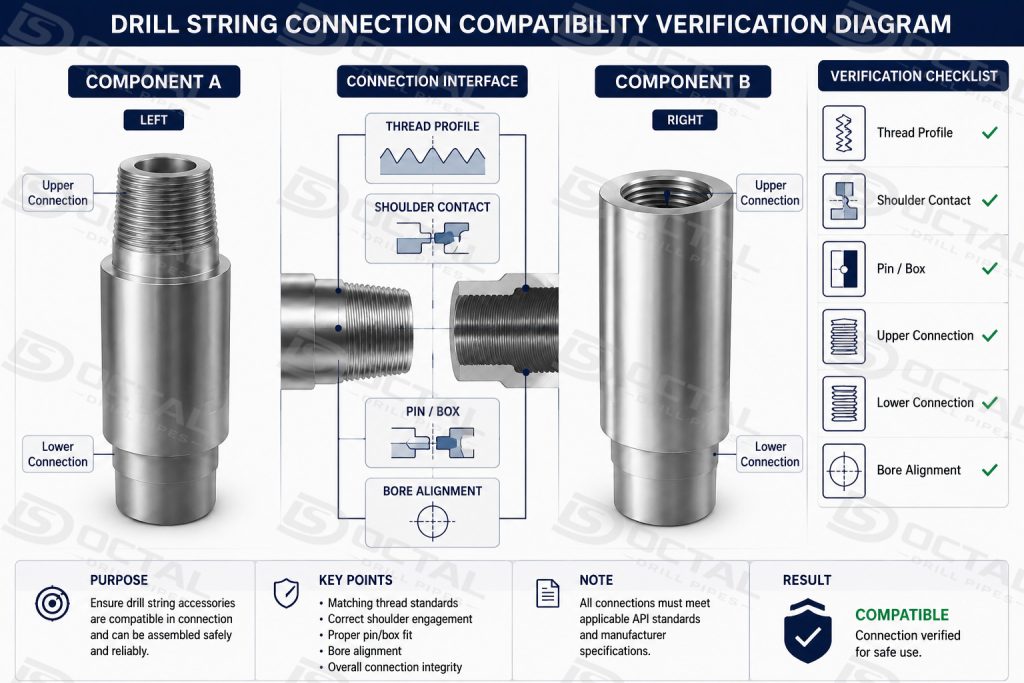
Before selecting an accessory, the following connection information should be confirmed:
| Connection Information | Purpose |
|---|---|
| Connection designation | Confirm matching connection system |
| Pin or box configuration | Verify assembly direction |
| Thread profile | Ensure proper engagement |
| Shoulder design | Support correct load transfer |
| Bore compatibility | Maintain internal flow passage |
Connection compatibility should be confirmed before accessory manufacturing or supply because incorrect connection matching may affect assembly reliability, thread engagement and field installation performance.
How Do Drilling Applications Affect Drill String Accessories Selection?
The selection of Drill String Accessories is further influenced by the specific drilling application and operating requirements. Although the drill string configuration defines where an accessory is installed, the drilling condition determines what performance requirements the accessory must satisfy. Factors such as well trajectory, drilling depth, assembly complexity and connection frequency can affect the selection focus for each accessory.
| Drilling Application | Selection Focus | Accessory Consideration |
|---|---|---|
| Directional drilling | BHA control and connection flexibility | Stabilizer compatibility and connection transition requirements |
| Deep drilling operations | Connection reliability and mechanical requirements | Connection design, material requirements and inspection control |
| Complex drill string assemblies | Component transition and configuration matching | Crossover Sub selection and connection compatibility |
| Length adjustment requirements | Accurate assembly spacing control | Pup Joint length and connection matching |
| Frequent make-up and break-out operations | Reduction of connection wear | Saver Sub selection and protection requirements |
The correct accessory selection should therefore be based on the interaction between the drilling application, drill string configuration and accessory function. Instead of selecting components only by product type or size, the required connection design, dimensional compatibility and service requirements should be evaluated together to ensure reliable integration within the complete drilling assembly.
How Inspection and Traceability Affect Drill String Accessories Reliability
The selection of Drill String Accessories should also consider inspection and traceability requirements because accessory reliability depends not only on design compatibility but also on material control, manufacturing accuracy and connection verification.
Typical quality control considerations include:
| Inspection Area | Verification Purpose | Typical Record |
|---|---|---|
| Material identification | Confirm material traceability | Material certificate |
| Heat treatment record | Verify controlled mechanical properties | Heat treatment report |
| Machining inspection | Confirm dimensional accuracy | Inspection report |
| Connection inspection | Verify thread and shoulder condition | Thread inspection record |
| Final documentation | Support product verification | Quality document package |
Complete traceability from raw material identification to final inspection helps confirm that the selected accessory matches the required configuration, connection specifications and operational requirements.
Common Mistakes When Selecting Drill String Accessories
Several selection mistakes can affect drill string reliability:
- Selecting accessories only according to outside diameter without checking connection requirements.
- Ignoring the actual position of the component within the drill string assembly.
- Using incompatible pin and box configurations.
- Failing to confirm inspection documentation before delivery.
- Treating different accessory types as interchangeable because they have similar dimensions.
A correct selection process should always connect:
Drill String Configuration → Accessory Function → Connection Compatibility → Manufacturing Requirement → Inspection Documentation
A reliable selection process should always consider the relationship between drill string configuration, accessory function, connection compatibility and inspection requirements.
FAQ
Q1: How do you select the right Drill String Accessories?
A1:The right Drill String Accessories should be selected based on the drill string configuration, installation position and required function. The selection process should confirm the connection requirements, component compatibility and service conditions before determining the final accessory design.
Q2: Can Drill String Accessories be selected by size alone?
A2:No. Size alone does not confirm compatibility. The connection type, pin and box configuration, shoulder interface, internal bore and mating drill string components must also be verified to ensure proper assembly and reliable operation.
Q3: What is the difference between a crossover sub and a saver sub?
A3:A crossover sub is mainly used to connect components with different connection systems, while a saver sub is designed to protect a frequently used connection interface from repeated make-up and break-out operations. The selection depends on whether the requirement is connection transition or connection protection.
Q4: Does material grade determine Drill String Accessories performance?
A4:No. Material grade is only one part of accessory selection. Reliable performance also depends on connection design, dimensional compatibility, heat treatment condition, manufacturing accuracy and inspection traceability.